

Outdoors & Fitness
Best Running Shoes for Beginners: Daily Trainers Compared
We compared four popular daily trainers for new runners on cushioning, drop, stability, and durability to find the forgiving everyday shoe worth buying.
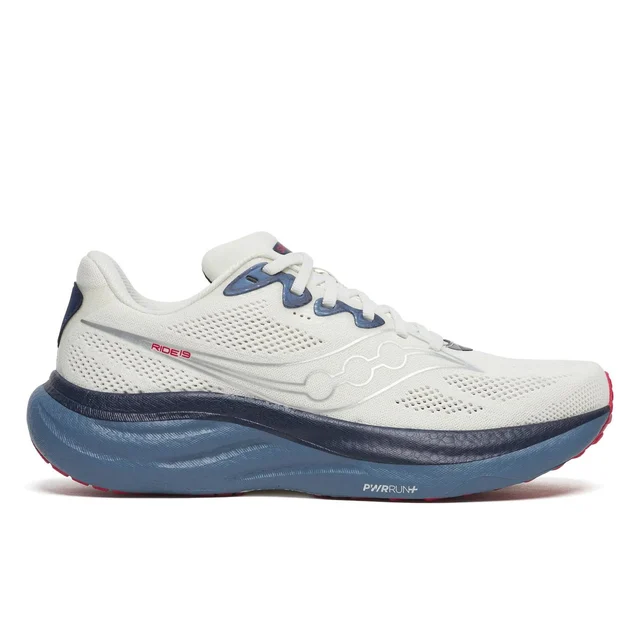
The short version
For most new runners, the Saucony Ride 19 is the best daily trainer here. Its softer PWRRUN+ foam, 8mm drop, and much-improved outsole durability make it a do-everything first shoe. The Brooks Ghost 18 is the runner-up, trading some pep for a wider, more stable base. The Hoka Clifton 10 suits those who want maximum cushioning on a tall stack. Skip the Nike Vaporfly 4 as a beginner: it is a superb carbon racer but the wrong, unstable tool for building your first easy miles.
Our picks at a glance
- Saucony Ride 19 - Buy. A balanced 8mm-drop daily trainer that fixed the one thing beginners actually complained about: durability.
- Hoka Clifton 10 - It depends. Maximum plush cushioning on a tall stack that some beginners love and others find tippy.
- Brooks Ghost 18 - Buy. The safe, do-no-harm neutral trainer with a wide, stable base that forgives beginner form.
- Nike Vaporfly 4 - Skip. A brilliant carbon-plated racer that is simply the wrong tool for a beginner's daily miles.
The verdict in 30 seconds
What mattered most
- Heel-to-toe drop
- Heel stack height
- Midsole foam
- Cushioning feel
- Primary use
- Beginner-friendly
Your first running shoe should be forgiving, stable, and built to survive months of easy miles, not a lab experiment. We lined up four widely sold trainers, from soft neutral cruisers to a carbon race shoe that keeps landing on beginner lists by mistake. Here is what each one actually does well, where it falls short, and which one we would hand a new runner first.
A balanced 8mm-drop daily trainer that fixed the one thing beginners actually complained about: durability.
Best for: New runners who want one do-everything shoe for easy days, long runs, and the occasional pickup.
- Reformulated PWRRUN+ foam is softer and more forgiving than the Ride 18 while staying stable underfoot
- Added carbon-rubber outsole coverage in the heel and toe-off addresses the old model's quick wear
- Standard width runs a touch narrow; wide is only offered in a few colorways
- Slightly heavier and stiffer than the previous version, so it feels less playful
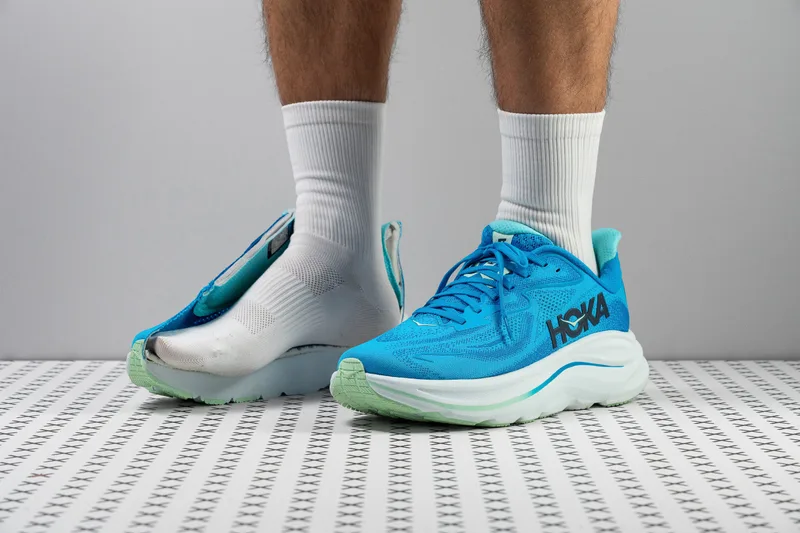
Maximum plush cushioning on a tall stack that some beginners love and others find tippy.
Best for: Bigger runners or comfort-first beginners who want the softest possible landing and like a high ride.
- A tall 42mm heel stack of CMEVA foam soaks up impact for heavier runners and long easy miles
- The 8mm drop and rockered shape roll you forward smoothly, and it stays light for how much foam is there
- That tall stack can feel unstable or wobbly at slow paces for lighter or less confident runners
- The CMEVA foam is basic and firms up over time, so it lacks the lively feel of pricier midsoles
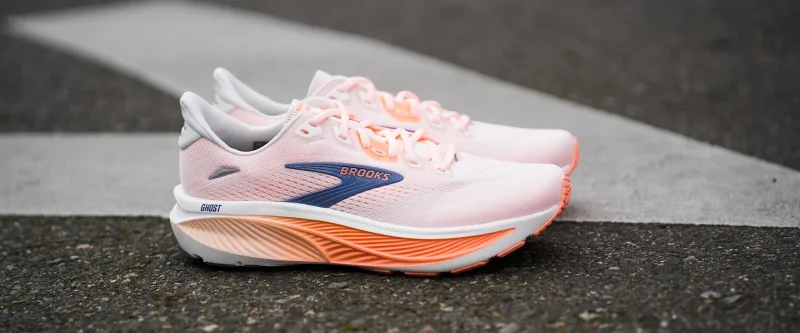
The safe, do-no-harm neutral trainer with a wide, stable base that forgives beginner form.
Best for: Beginners who value a predictable, forgiving ride over speed and want a shoe that just works.
- Nitrogen-infused DNA Loft v3 foam is softer than the Ghost 17 with plush, protected landings
- A wide base and 36.5mm heel stack add inherent stability that steadies a new runner's stride
- At roughly 10.2 oz it is the heaviest of the daily trainers here
- The 10mm drop and calmer toe-off feel old-school and unexciting, with little pop when you speed up
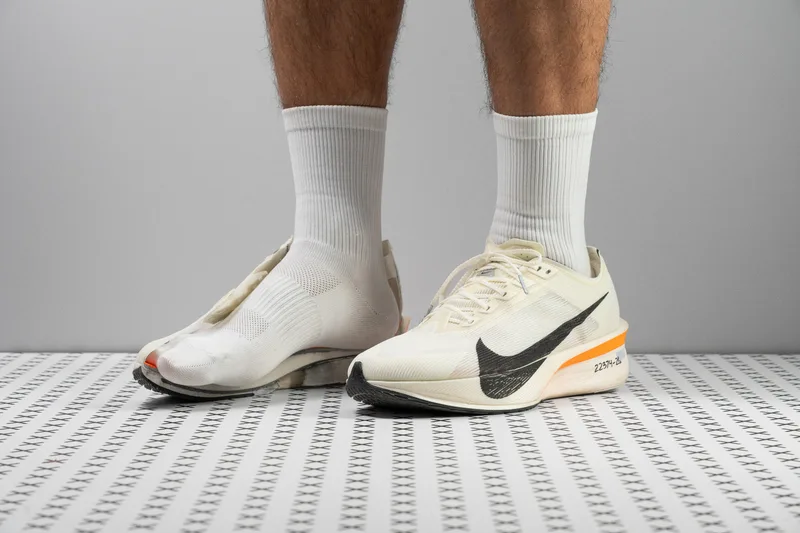
A brilliant carbon-plated racer that is simply the wrong tool for a beginner's daily miles.
Best for: Experienced, competitive runners chasing a personal best on race day, not first-timers building mileage.
- Featherlight at about 6.7 oz with propulsive ZoomX foam and a curved carbon Flyplate for race day
- Genuinely fast and efficient for experienced runners over 5K to marathon distances
- The aggressive, unstable geometry punishes the slower paces and unpolished form of new runners
- Thin, low-durability construction and a top-tier price make it a poor everyday training choice
| Criteria | Ride 19 | Clifton 10 | Ghost 18 | Vaporfly 4 |
|---|---|---|---|---|
| Verdict | Buy it | It depends | Buy it | Skip it |
| Best for | New runners who want one do-everything shoe for easy days, long runs, and the occasional pickup. | Bigger runners or comfort-first beginners who want the softest possible landing and like a high ride. | Beginners who value a predictable, forgiving ride over speed and want a shoe that just works. | Experienced, competitive runners chasing a personal best on race day, not first-timers building mileage. |
| Price tier | $$ · mid-range | $$$ · premium | $$ · mid-range | $$$$ · flagship |
| Heel-to-toe drop | 8mm | 8mm | 10mm | 6mm |
| Heel stack height | ~38mm | ~42mm | ~36.5mm | ~35mm |
| Midsole foam | PWRRUN+ | CMEVA | DNA Loft v3 | ZoomX + carbon plate |
| Cushioning feel | Balanced-soft | Max-plush | Soft-stable | Firm-propulsive |
| Primary use | Everyday miles | Max-cushion easy days | Everyday neutral | Race day only |
| Beginner-friendly | Yes | Yes, if you like a tall ride | Yes | No |
Which one is right for you?
- New runners who want one do-everything shoe for easy days, long runs, and the occasional pickup. Buy it Saucony Ride 19
- Beginners who value a predictable, forgiving ride over speed and want a shoe that just works. Buy it Brooks Ghost 18
- Bigger runners or comfort-first beginners who want the softest possible landing and like a high ride. It depends Hoka Clifton 10
- Experienced, competitive runners chasing a personal best on race day, not first-timers building mileage. Skip it Nike Vaporfly 4
How we judged the field
A beginner’s daily trainer has one job: let you run easy miles comfortably, safely, and often, without falling apart in a month. That is a very different job from setting a personal best. So we judged these four shoes on the things that actually matter early on: forgiving cushioning, a stable platform that tolerates imperfect form, a moderate heel-to-toe drop that goes easy on new calves and Achilles tendons, and durability that survives the high volume of slow miles beginners need to run.
We deliberately kept a carbon race shoe in the lineup because it keeps showing up on beginner shortlists, and we wanted to explain plainly why that is a mistake. The other three are all genuine everyday trainers, but they solve the problem in different ways: one balanced, one maximally cushioned, one built around stability. Here is how each performs.
Saucony Ride 19 - buy
The Ride line has long been the quiet, sensible choice, and the 19th version leans into that. It sits on roughly a 38mm heel and 30mm forefoot with an 8mm drop, which is close to ideal for a first shoe: enough offset to protect your lower legs, not so much that it feels like a wedge. The big change is the reformulated PWRRUN+ midsole, which is softer and more forgiving than the firmer foam in the Ride 18 while staying planted and stable underfoot.
What we liked more is that Saucony finally fixed the durability complaint. Earlier Rides had a reputation for the outsole and foam wearing quickly under heavy use; the 19 adds carbon-rubber coverage in the heel and toe-off, the exact places new runners grind down first. What we liked less is that the standard width runs a little narrow, and the shoe is marginally heavier and stiffer than before, so it has lost a bit of the playful character older Rides had. A wide version exists, but only in a handful of colorways. For most beginners, this is the most complete package here.
Hoka Clifton 10 - depends
The Clifton 10 is the plush cruiser of the group. It piles on cushioning with a very tall stack, around 42mm at the heel, made of updated CMEVA foam, and it now runs an 8mm drop after years at a lower offset. Despite all that foam it stays surprisingly light, and the rockered shape rolls you forward smoothly, which many tired or heavier runners love on long easy days.
What we liked more is the sheer impact protection: if your knees or shins bark on harder shoes, this soft, high ride is a relief. What we liked less is that the tall stack can feel tippy or unstable at slow paces, especially for lighter runners or anyone still finding their balance, and the CMEVA foam is fairly basic. It cushions well but lacks the lively, springy return of pricier midsoles, and it firms up as the miles add up. That is why this is a depends rather than a flat buy: it is fantastic for the runner who wants maximum softness and likes a high ride, and awkward for the runner who wants to feel connected to the ground.
Brooks Ghost 18 - buy
The Ghost is the shoe running-store staff hand nervous beginners, and the 18 keeps that reputation intact. It uses nitrogen-infused DNA Loft v3 foam that is noticeably softer than the Ghost 17, sits on a roughly 36.5mm heel with a 10mm drop, and pairs that with a wide, planted base. That geometry is the whole point: the broad platform adds inherent stability that quietly corrects a wobbly new-runner stride, and the landings are plush and protected without feeling mushy.
What we liked more is how forgiving and predictable it is; there are no surprises, which is exactly what you want while you build a habit. What we liked less is the weight, around 10.2 oz makes it the heaviest daily trainer here, and the ride is calm to a fault. The higher 10mm drop and gentle toe-off feel a little old-school, with almost no pop when you try to pick up the pace. As a safe, do-no-harm first shoe, though, it is very hard to fault.
Nike Vaporfly 4 - skip
We want to be fair to the Vaporfly 4, because on its own terms it is superb. It is astonishingly light at about 6.7 oz, its ZoomX foam paired with a curved carbon Flyplate is genuinely propulsive, and for an experienced runner racing anything from 5K to the marathon it can deliver a real performance edge. It sits on a modest 35mm heel with a 6mm drop, all tuned for speed.
The problem is fit for purpose. Everything that makes it a great racer makes it a poor first trainer. The aggressive, plate-driven geometry is unstable and rewards fast, polished form, not the slow, still-developing stride of a beginner. The construction is thin and low on durability, so it wears out quickly, and it carries a top-tier price. Beginners need a shoe that tolerates hundreds of easy, unglamorous miles; this is built to do the opposite. It earns a skip here not because it is bad, but because it is the wrong tool.
Saucony Ride 19 vs Brooks Ghost 18: which should you buy?
These two are the real decision for most new runners, and the split is straightforward. The Ride 19 is the more versatile, slightly more energetic shoe: its 8mm drop and softer-but-stable PWRRUN+ foam feel balanced across easy runs, longer efforts, and the odd faster stretch, and the improved outsole means it will go the distance. The trade-off is a narrower standard fit.
The Ghost 18 is the more conservative pick. Its wider base and 10mm drop make it the more stable, more forgiving platform, which is reassuring if your form is shaky or your feet are broad, but it is heavier and duller and gives you nothing back when you push. Choose the Ride 19 if you want one adaptable shoe and normal-to-narrow feet; choose the Ghost 18 if stability and a roomier fit matter more than pace.
What to look for
Start with drop and stability, not looks. If your calves and Achilles are new to running, an 8 to 10mm drop shoe like the Ride 19 or Ghost 18 will treat you more gently than a low-drop racer. If you are heavier, prone to impact aches, or simply love a pillowy feel, the tall cushioning of the Clifton 10 is worth the tippy trade-off. If stability and a wide, planted base are your priority, the Ghost 18 leads.
Then weigh fit and durability. Try the shoe on late in the day when your feet are largest, leave a thumbnail of space at the toe, and match width to your foot, going wide if the standard Ride feels snug. Finally, ignore the temptation of a carbon super-shoe. Save that for when you are racing and fast; for building your first miles, a durable, stable trainer will serve you far better and far longer.
Our final take
For most beginners, the Saucony Ride 19 is the daily trainer to buy: forgiving foam, a sensible 8mm drop, and durability that finally holds up to real use. The Brooks Ghost 18 is the runner-up and the smarter pick if you want a wider, more stable base and will trade some pep for peace of mind. The Hoka Clifton 10 is a strong option for anyone who wants maximum cushioning on a tall stack and does not mind the higher, less planted feel. And however tempting it looks, skip the Nike Vaporfly 4 as a first shoe. It is an excellent racer aimed at experienced runners, and the wrong companion for the easy, patient miles that build a runner.
Questions, answered
What heel-to-toe drop is best for beginners?
Most new runners do well in an 8 to 10mm drop, like the Ride 19, Clifton 10, or Ghost 18. That range eases strain on the calves and Achilles while you build strength, which is why lower-drop racers feel harsher early on.
Should a beginner buy a carbon-plated shoe like the Vaporfly 4?
No. Carbon racers are light and propulsive but built for fast, experienced runners. Their unstable geometry and thin, low-durability build make them poor for the slow, high-volume easy miles beginners actually need to run.
How many miles should a beginner trainer last?
Expect roughly 300 to 500 miles from a daily trainer. The Ride 19 added carbon-rubber outsole coverage to fix the earlier model's quick wear, so it should reach the upper end of that range with normal use.
Is the Ride 19 or Ghost 18 better for wider feet?
The Ghost 18 has a wider, more accommodating base and stable platform, making it friendlier for broad feet. The Ride 19 runs narrower in standard width, though Saucony offers a wide version in select colorways.
Deciding between the top two? See our head-to-head: Saucony Ride 19 vs Brooks Ghost 18.
More Outdoors & Fitness reviews
 The Best Sit Pads: 4 Compared (and One to Skip)
  The Best Ski Goggles: 4 Compared (and One to Skip)
  The Best Backpacking Sleeping Bags: 4 Compared (and One to Skip)
  The Best Backpacking Sleeping Pads: 4 Compared (and One to Skip)
  The Best Solar Chargers: 4 Compared (and One to Skip)
  The Best Squat Racks: 4 Compared (and One to Skip)